



Community Builder
About the OnPoint Community Builder award
The Community Builder Award aims to provide funding for schools to complete projects that enrich the school, students, and faculty. The award grants four schools a $2,000 prize, while one lucky school—determined by online community votes—receives a $5,000 prize. When selecting finalists, the following criteria are considered:
Creativity and community
Will the project inspire creativity and strengthen the sense of community?
Broad segment
Will the project reach a broad segment of the school community?
Matching cost
Can the project be completed with the $2,000 or $5,000 Community Builder Award? If not, what is the plan to raise any outstanding funds needed?
Diversity, Equity, and Inclusion
How does this project incorporate diversity, equity, and inclusion?
Meet our 2026 Community Builder winners!
$5,000 winner
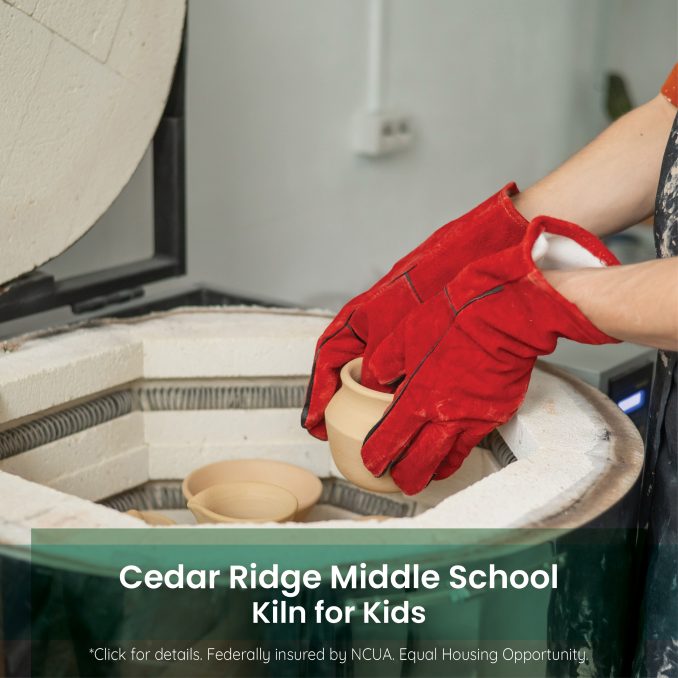
Cedar Ridge Middle School
Cedar Ridge plans to expand its ceramics program by adding a new kiln, giving more students the opportunity to complete clay projects from start to finish. With growing interest in art, this addition will open the door to advanced techniques like glazing and sculptural work.
By increasing access to hands-on learning, students will build creativity, technical skills, and confidence. The investment will also support the long-term growth and sustainability of the school’s visual arts program.
$2,000 winners
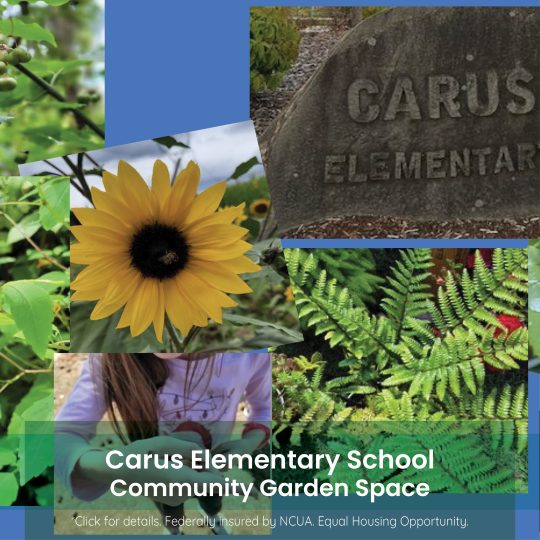
Carus Elementary
Carus Elementary is developing a multi-phase community garden that will include native plant gardens, outdoor learning areas, and nature play features. In the first phase, students design and plant themed gardens, gaining hands-on experience with local ecology. Future phases will add covered learning spaces, garden beds, and interactive natural play elements. The project aims to connect students and the community to nature while fostering environmental stewardship and pride in their school.
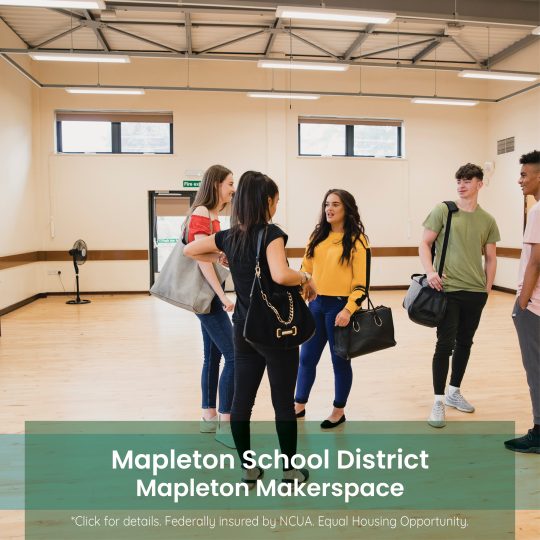
Mapleton School District
Mapleton is converting a former middle school into a community center that includes a makerspace, garden, and shared resources. The makerspace will serve as a hub for hands-on learning, creativity, and entrepreneurship for both students and community members. It will host workshops, support local projects, and encourage innovation. The initiative positions students as active contributors to their rural community.
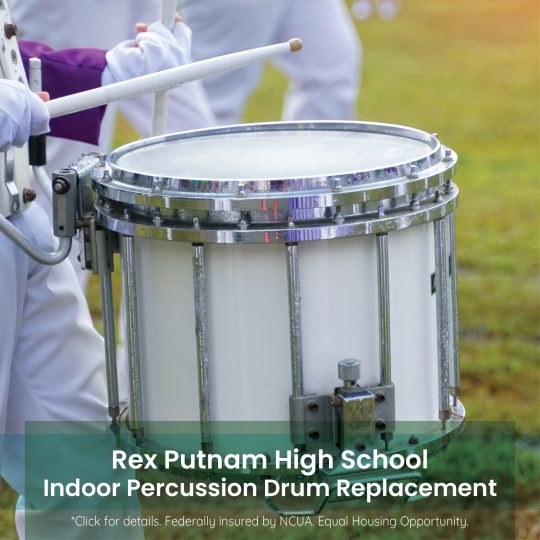
Rex Putnam High School
Rex Putnam seeks to replace outdated marching band drums that are over 30 years old and no longer functional. New instruments will improve sound quality, performance, and students’ ability to develop proper technique. The upgrade also ensures equitable access to music programs for students who rely on school-provided equipment. This investment supports student growth, program sustainability, and stronger community engagement through performances.
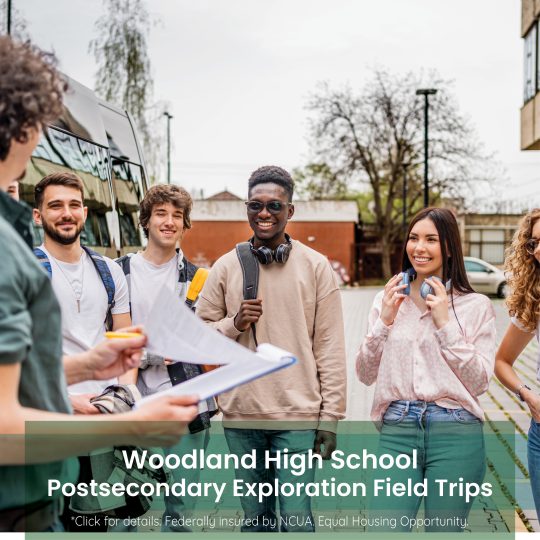
Woodland High School
Woodland High School plans to take students on visits to trade schools, community colleges, and universities to explore postsecondary options. These experiences aim to increase awareness, confidence, and interest in continuing education, especially for first-generation students. By removing financial barriers and providing guided exposure, students can better understand available pathways. The project empowers students to make informed decisions about their futures.